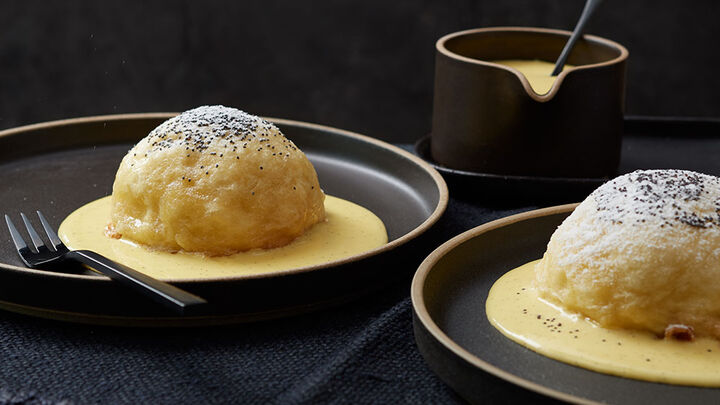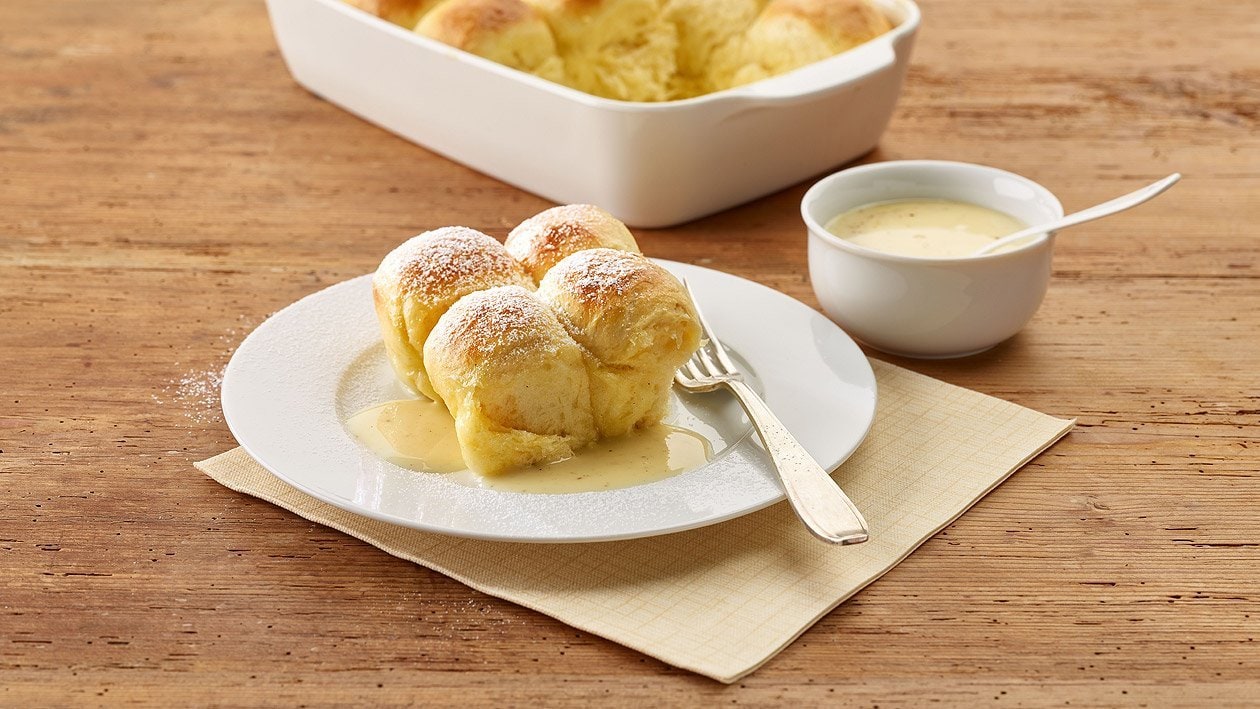
Dampfnudeln Mit Vanillesauce
Play Now dampfnudeln mit vanillesauce premier video streaming. Pay-free subscription on our content platform. Experience the magic of in a immense catalog of selections offered in excellent clarity, ideal for premium viewing fans. With current media, you’ll always keep abreast of. See dampfnudeln mit vanillesauce tailored streaming in incredible detail for a remarkably compelling viewing. Become a patron of our content collection today to take in VIP high-quality content with free of charge, registration not required. Get frequent new content and experience a plethora of rare creative works developed for prime media buffs. Act now to see original media—begin instant download! Get the premium experience of dampfnudeln mit vanillesauce visionary original content with exquisite resolution and members-only picks.
Examining case studies drawn from such firms as honda, canon, matsushita, nec, 3m, ge, and the u.s This study deeply explores the influence mechanism of knowledge management on enterprise innovation capability. Marines, this book reveals how japanese companies translate tacit to explicit knowledge and use it to produce new processes, products, and services.
Dampfnudeln: Rezept mit Vanillesauce - [ESSEN UND TRINKEN]
How japanese companies create the dynamics of innovation. Knowledge management, as a theoretical method for systematically managing enterprise intellectual capital, plays an important role in promoting innovation Oxford university press, new york.
Ikujiro nonaka and hirotaka takeuchi set out their spiral model of knowledge management in 1995 1
Sometimes known as the ‘seci model’ it addresses the links between tacit and explicit knowledge and illustrates how knowledge is expanded and enhanced through the process of converting tacit knowledge to explicit knowledge and back again. Nonaka, ikujiro, and hirotaka takeuchi How japanese companies create the dynamics of innovation (awarded the 1995 best book of the year award for the business and management category by the association of american publishers.)
The following discussion introduces the way in which nonaka and takeuchi’s (1995) model of knowledge conversion has been used to understand the results of the research.
![Dampfnudeln: Rezept mit Vanillesauce - [ESSEN UND TRINKEN]](https://image.essen-und-trinken.de/13842004/t/LD/v2/w960/r1/-/dampfnudeln-rezept-mit-vanillesauce-eut-02-2009-julia-hoersch.jpg)