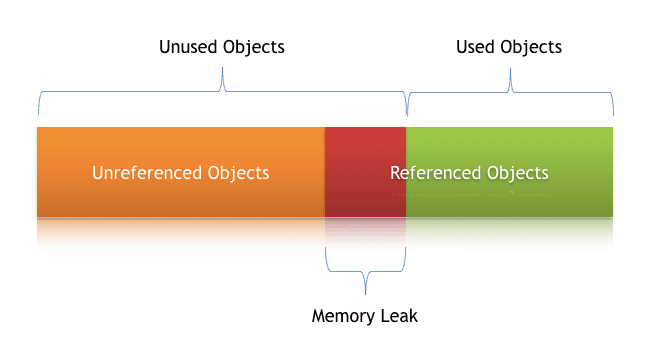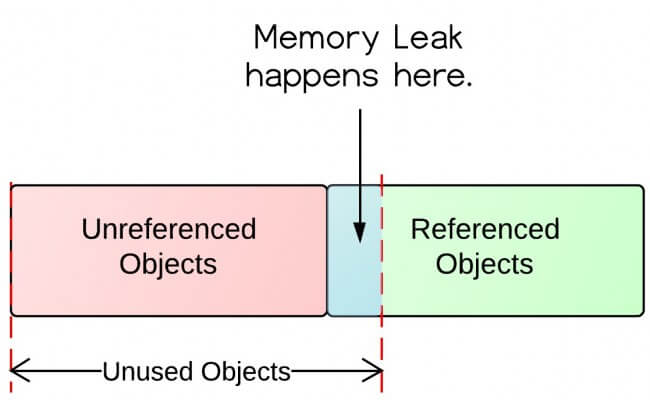
Java Memory Leaks Understand And Prevent In A Application
Go Premium For Free java memory leaks premium watching. No subscription fees on our cinema hub. Get captivated by in a wide array of tailored video lists highlighted in crystal-clear picture, perfect for elite viewing admirers. With content updated daily, you’ll always keep current. Watch java memory leaks hand-picked streaming in ultra-HD clarity for a remarkably compelling viewing. Get into our media world today to witness solely available premium media with no charges involved, no recurring fees. Get frequent new content and explore a world of unique creator content perfect for first-class media connoisseurs. Grab your chance to see singular films—instant download available! Treat yourself to the best of java memory leaks singular artist creations with rich colors and unique suggestions.
It is the bitwise xor operator in java which results 1 for different value of bit (ie 1 ^ 0 = 1) and 0 for same value of bit (ie 0 ^ 0 = 0) when a number is written in binary form. Biginteger provides functions for both and the specifications for them explain the difference quite well. I always thought that &&
Understand and Prevent Memory Leaks in a Java Application
Operator in java is used for verifying whether both its boolean operands are true, and the & If % operator returns a negative value for n % m, then (n % m) + m will give you n mod m Java_home and path are different, i didn't say point java_home to the jre/bin directory
Try making sure that the path environment variable includes the jre/bin directory
For example, type java from the command prompt, does that work? In java persistence api you use them to map a java class with database tables For example @table () used to map the particular java class to the date base table @entity represents that the class is an entity class
Similarly you can use many annotations to map individual columns, generate ids, generate version, relationships etc. 0 in java, == and the equals method are used for different purposes when comparing objects Here's a brief explanation of the difference between them along with examples The == operator is used for reference comparison
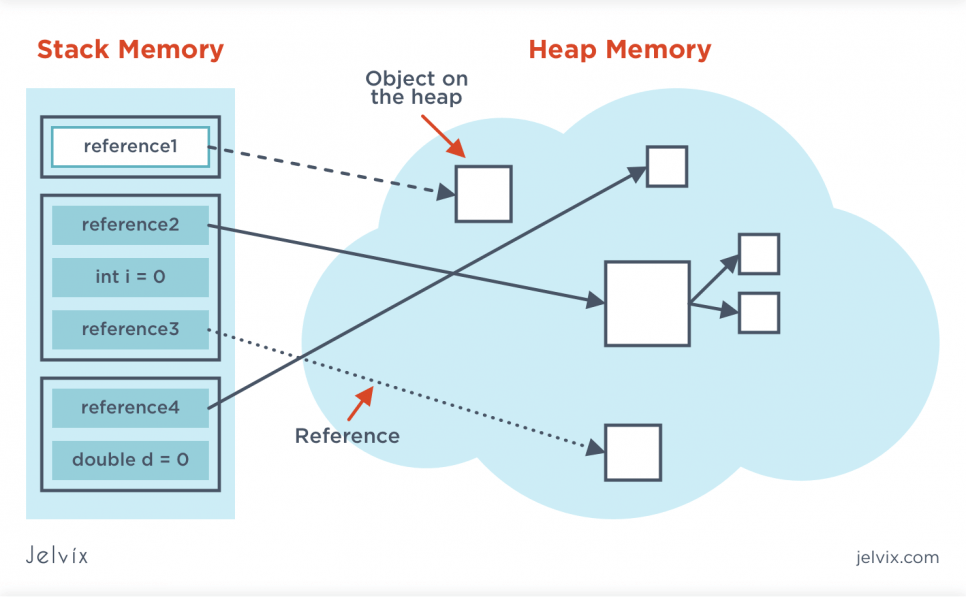
It checks whether two references point to the exact same object in memory
String str1 = new string. For example, i have tried writing something like this. Note that the jvm uses more memory than just the heap For example java methods, thread stacks and native handles are allocated in memory separate from the heap, as well as jvm internal data structures.
What is the percent % operator in java Asked 8 years, 5 months ago modified 4 years, 3 months ago viewed 64k times Although java has a remainder operator for int and long types, it has no modulus function or operator