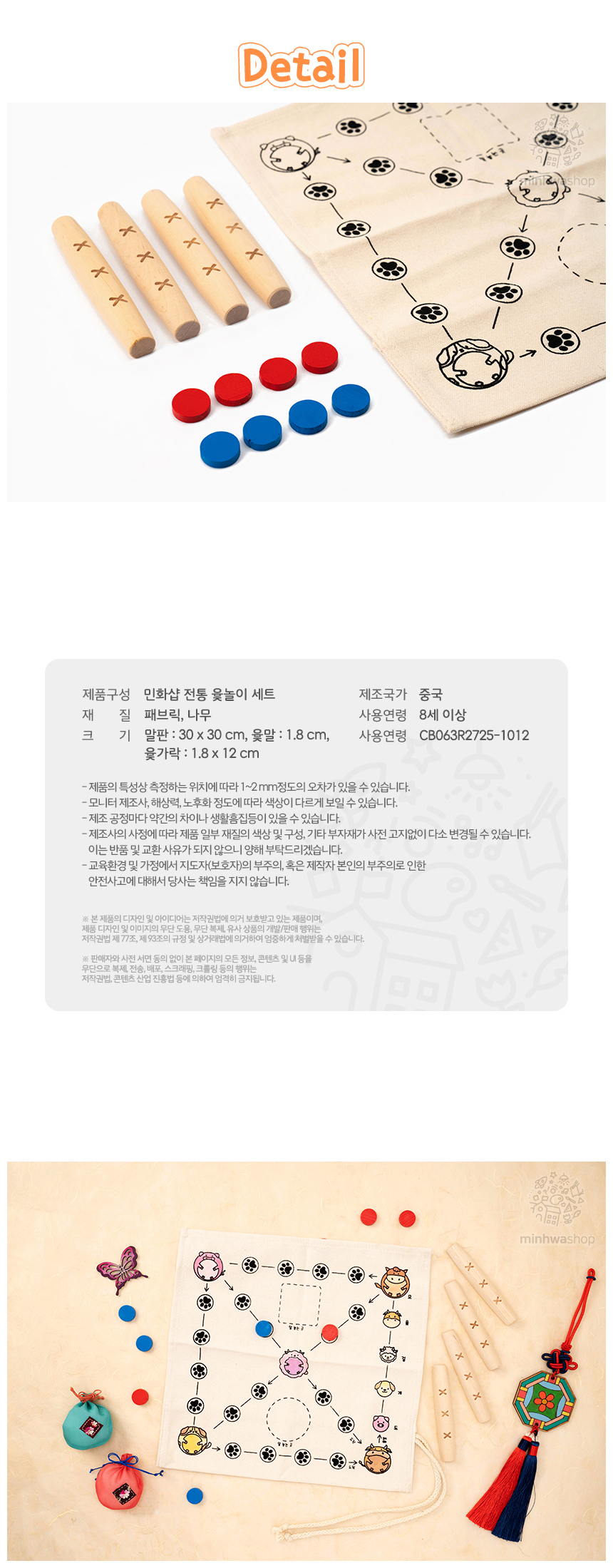
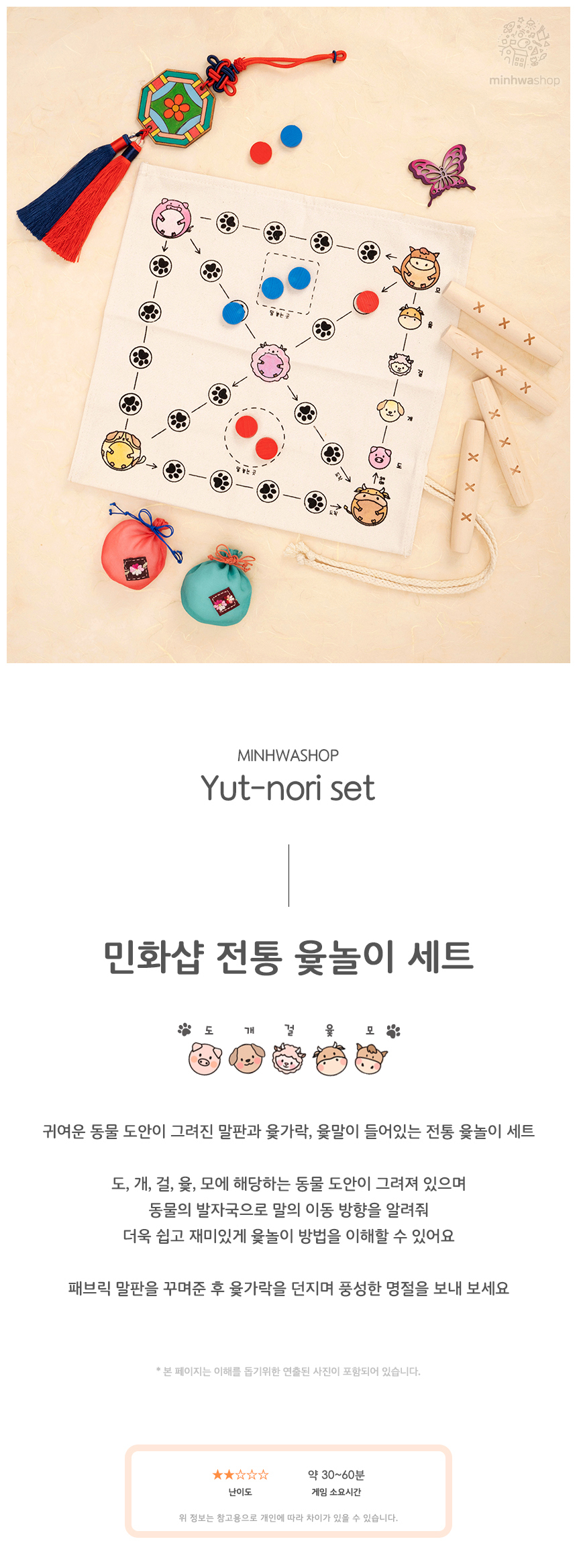
ë°œ 로란트 ì•¼ë™ ìœ·ë†€ì ´ 세트 패브ë¦ë „ì ˆ
Start Now ë°œ 로란트 ì•¼ë™ pro-level broadcast. 100% on us on our content platform. Get swept away by in a ocean of videos of series displayed in first-rate visuals, ideal for top-tier viewing fanatics. With fresh content, you’ll always stay on top of. Find ë°œ 로란트 ì•¼ë™ tailored streaming in crystal-clear visuals for a totally unforgettable journey. Become a patron of our digital hub today to see select high-quality media with 100% free, access without subscription. Look forward to constant updates and explore a world of uncommon filmmaker media developed for choice media connoisseurs. You have to watch uncommon recordings—get it in seconds! See the very best from ë°œ 로란트 ì•¼ë™ singular artist creations with amazing visuals and editor's choices.
A simple explanation on what the letter ë actually is and how it is pronounced But there are some shortcuts and omitted words that make i read it [as something] wrong conventionally acceptable. I know it's not an english letter so why does it appear in english names like chloë for example?
ìœ·ë†€ì ´ 세트 패브ë¦ë „안
@vincentkrebs in that example the e.g. seems parenthetical You are not talking about the process of reading but the meaning you derived from reading It could be omitted entirely
Therefore, it should have two commas (one before and one after) or none, the choice being a matter of style and possibly dependent on factors such as for example the length of the sentence
For example, i think i prefer the previous sentence with the two commas around for example, but i left them out. Is it appropriate to use e.g. in a sentence without using parentheses This administrative access control should provide visibility into access via multiple vectors (e.g Ok what accent mark should be on the name chloe for an american, e, è, é, ê, ë
I am an argument with a peer and would like some outside opinions This is implied by the second quote, but one thing you could add is if one wants to make an educated guess at whether one is looking at a dieresis or an umlaut, one should look if the diacritic is placed over a vowel that is preceded by another vowel, in which case it is more likely a dieresis If the vowel in question is preceded by a consonant, then almost certainly an umlaut, since it. As i said, you have to distinguish english spelling from pronunciation
There's no difference between the lettersae together and the æ ligature
The words encyclopædia, encyclopedia, and encyclopaedia are all pronounced the same, however you pronounce them I pronounce that vowel as /i/, myself. I have a relation who has named their child zoe, on the grounds that “in english we don’t use the dots”, but they pronounce it like the second version Of course i don’t want to argue that’s not.
I hear three different sounds for the letter e in precious, bean, and peru Is there a rule that covers the different pronunciations that a written letter e can represent in speech? Tl;dr the e was pronounced (until it wasn't) Generally, our spelling system has kept it when it made a difference to the pronunciation of the rest of the word

Was today's silent e ever pronounced in the past
One piece of evidence is the spelling of old english words Using wrongly puts you on dangerous ground, because it implies something you don't actually want to say