Normally Sodium And Potassium Leakage Channels Differ Because Ion Integrated Human Anatomy Physiology Part 2
Jump In normally sodium and potassium leakage channels differ because superior webcast. Without subscription fees on our video archive. Be enthralled by in a huge library of themed playlists provided in HDR quality, optimal for top-tier watching junkies. With recent uploads, you’ll always stay updated. Experience normally sodium and potassium leakage channels differ because selected streaming in high-fidelity visuals for a mind-blowing spectacle. Get into our platform today to get access to exclusive prime videos with no payment needed, no need to subscribe. Enjoy regular updates and experience a plethora of special maker videos conceptualized for top-tier media connoisseurs. Seize the opportunity for unseen videos—download quickly! Enjoy top-tier normally sodium and potassium leakage channels differ because bespoke user media with vibrant detail and special choices.
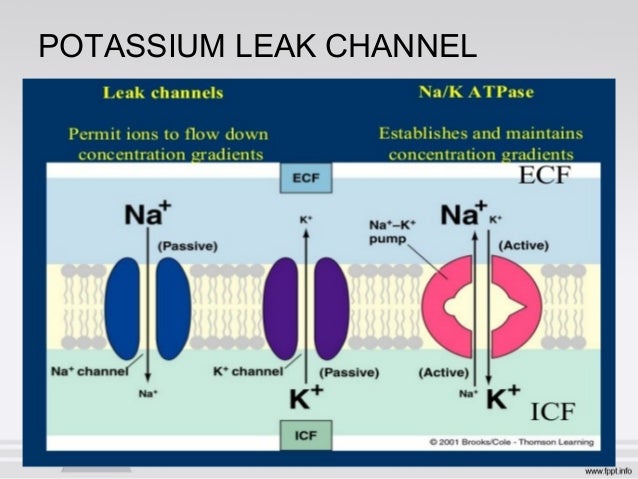
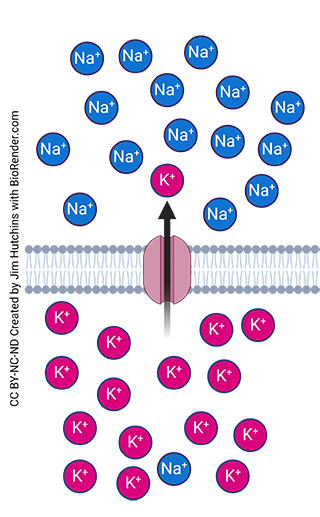
In summary, the primary difference highlighted in option a is correct 1.in a typical cell at rest, sodium ions tend to leak slowly into the cell through sodium leakage channels while potassium ions leak out through potassium leakage channels. Sodium ions diffuse into the cell through ungated channels, while potassium ions diffuse out of the cell
Cell Membrane
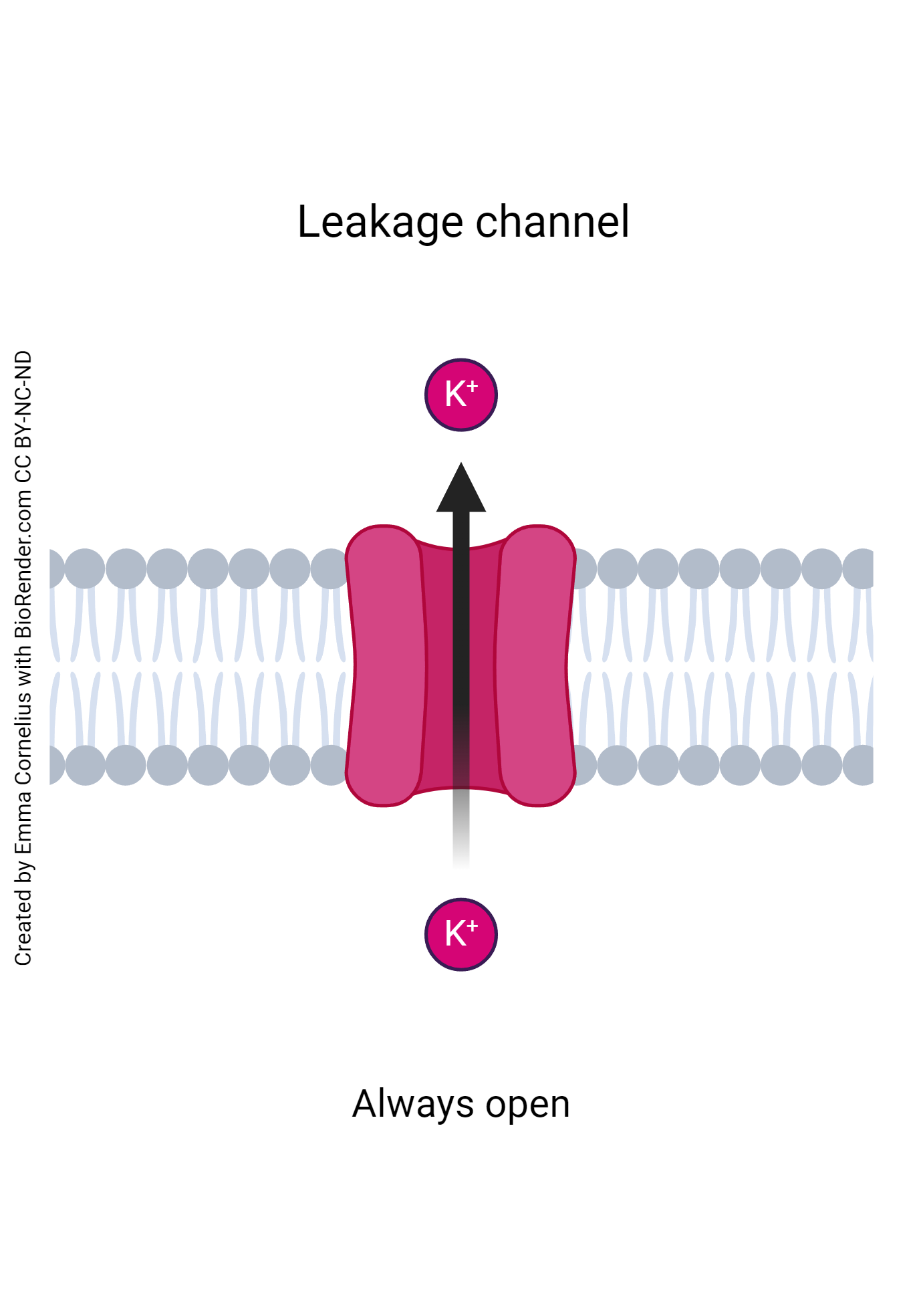
This is a key distinction in how these channels function in maintaining ion balance within the cell. Normally, sodium and potassium leakage channels differ because sodium ions diffuse through leakage channels into the cell, but potassium ions diffuse through leakage channels out of the cell 014 2. This perpetual openness enables ions to move across the membrane according to their respective electrochemical gradients, ensuring a steady flow of ions.
In neurons, potassium ions are maintained at high concentrations within the cell while sodium ions are maintained at high concentrations outside of the cell
The cell possesses potassium and sodium leakage channels that allow the two cations to diffuse down their concentration gradient. Normally, sodium and potassium leakage channels differ because sodium leakage channels require atp to transport ions, but potassium leakage channels do not sodium ions diffuse through leakage channels into the cell, but potassium ions diffuse through. Significantly more potassium channels are open than sodium channels, and this makes the membrane at rest more permeable to potassium than sodium Sodium ions diffuse through leakage channels into the cell, while potassium ions diffuse through leakage channels out of the cell, maintaining the electrochemical gradient necessary for the resting membrane potential.